 Referrals


How a Tongue-Tie Can Affect Eating, Sleep, and Jaw Development
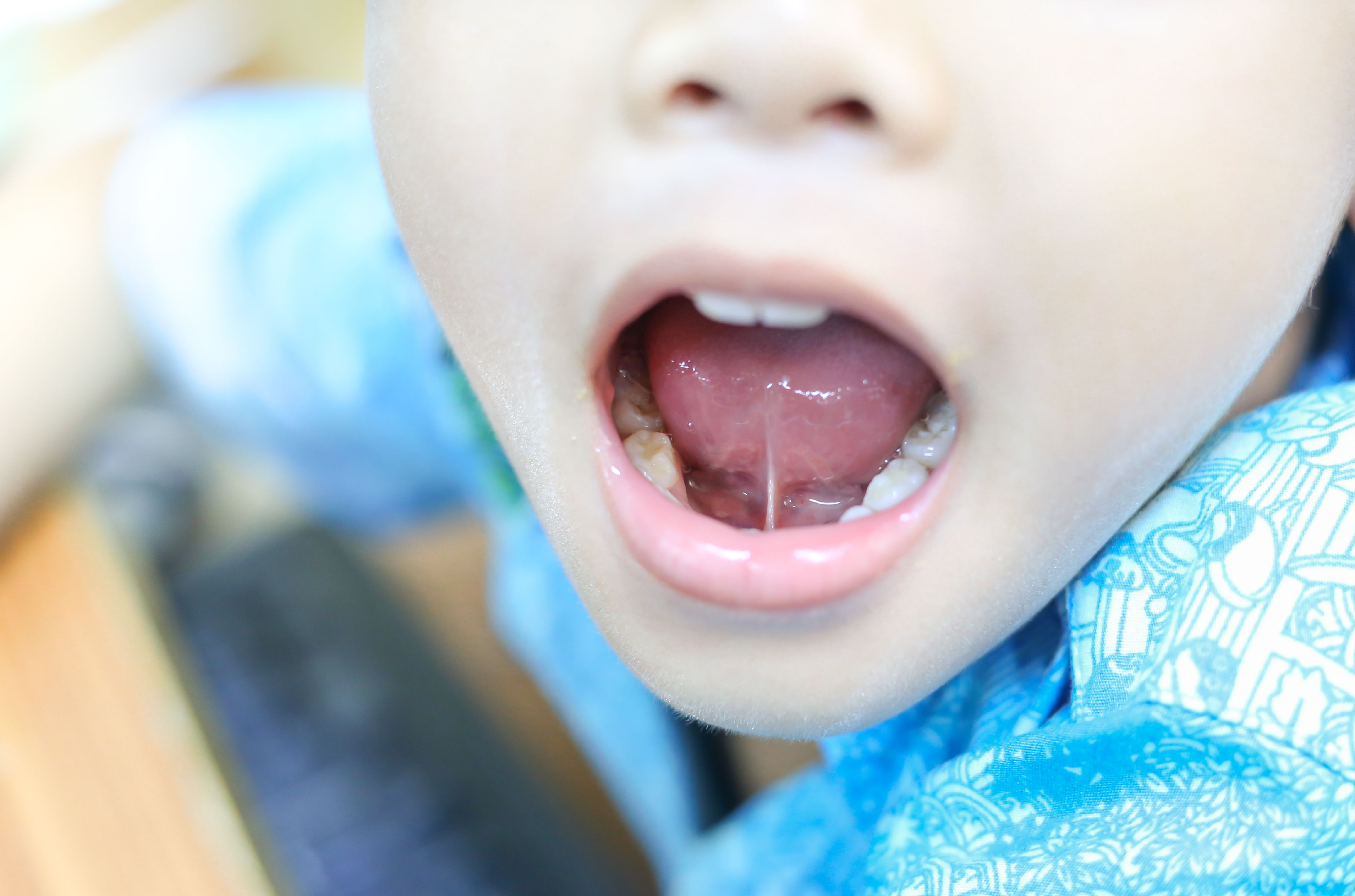
Tongue-tie occurs when the lingual frenulum is shorter or tighter than normal. While sometimes mild, it can significantly affect a child’s feeding abilities, sleep quality, and jaw development. At Poplin Pediatric Dentistry, your trusted pediatric dentist in Austin, we help families understand these impacts and explore treatment options early.
What Is a Tongue-Tie?
A tongue-tie, medically known as ankyloglossia, is a condition in which the thin band of tissue under the tongue - called the lingual frenulum - is shorter, tighter, or positioned in a way that restricts normal tongue movement. Tongue-tie is present at birth and varies in severity; some children show only mild restriction, while others experience noticeable difficulty with breastfeeding, eating solid foods, or achieving proper tongue posture. Early evaluation helps determine whether treatment, such as a frenectomy, may be beneficial.
Feeding Challenges in Infancy
Infants with tongue-tie often struggle to latch or maintain suction, leading to long feeding sessions, clicking sounds, reflux, gassiness, poor weight gain, and nipple pain. These issues can be stressful for both babies and parents.
Difficulties With Solid Foods
As children grow, proper tongue movement is essential for chewing and swallowing. Tongue-tie may cause:
• Gagging or choking
• Trouble moving food around the mouth
• Difficulty with certain textures
• Picky eating rooted in difficulty, not preference
Mouth Breathing
A restricted tongue often rests low in the mouth, leading to mouth breathing instead of nasal breathing. This can be associated with snoring, dry mouth, and restless sleep.
Airway Narrowing
In some children, limited tongue mobility contributes to airway obstruction during sleep, which may cause:
• Nighttime awakenings
• Daytime irritability or fatigue
• Difficulty focusing in school
Palate Development
The tongue helps shape the upper jaw. When it does not rest against the palate, the jaw may become narrow or high-arched, increasing the likelihood of orthodontic and airway issues.
Bite Alignment
Tongue-tie may contribute to crossbites, open bites, or altered jaw posture. Over time, this can affect chewing, facial growth, and dental alignment.
How Poplin Pediatric Dentistry Can Help
A gentle, precise frenectomy can often restore healthy tongue movement and significantly improve a child’s ability to eat, breathe, and speak comfortably. This quick procedure releases the restrictive frenulum, allowing the tongue to move freely. It is important to work with a therapist to ensure maximal function. We take a thorough and individualized approach, evaluating your child’s symptoms, oral development, and overall functional needs before recommending treatment.
Find Out if a Frenectomy Can Help Your Child
Tongue-tie affects more than speech. It can influence how a child eats, breathes, sleeps, and how their jaw develops. Early evaluation leads to the best outcomes and gives parents clarity and confidence in supporting their child’s health.
If your child is showing signs of tongue-tie, schedule an evaluation with Poplin Pediatric Dentistry to learn whether frenectomy is the right step forward. Visit our office in Austin, Texas, or call (512) 346-1283 to book an appointment.


- Monday 8:00am - 4:00pm
- Tuesday 8:00am - 4:00pm
- Wednesday 8:00am - 4:00pm
- Thursday 8:00am - 4:00pm
- Friday 8:00am - 12:00pm
- Saturday Closed
- Sunday Closed
© 2026 Poplin Pediatric Dentistry. All rights Reserved. Accessibility Statement - Privacy Policy - Sitemap
Powered by:
